Learning disability explained
What a learning disability is
Around 1.5 million people in the UK have a learning disability. It is not an illness, and it is not the same as a learning difficulty like dyslexia. It is a lifelong difference in how someone learns and understands the world.
The basics
A lifelong difference, not an illness.
A learning disability affects how a person learns new things, takes in information, and manages everyday tasks. It is usually identified in early childhood and lasts a person's whole life. It cannot be cured, and it is not a mental illness.
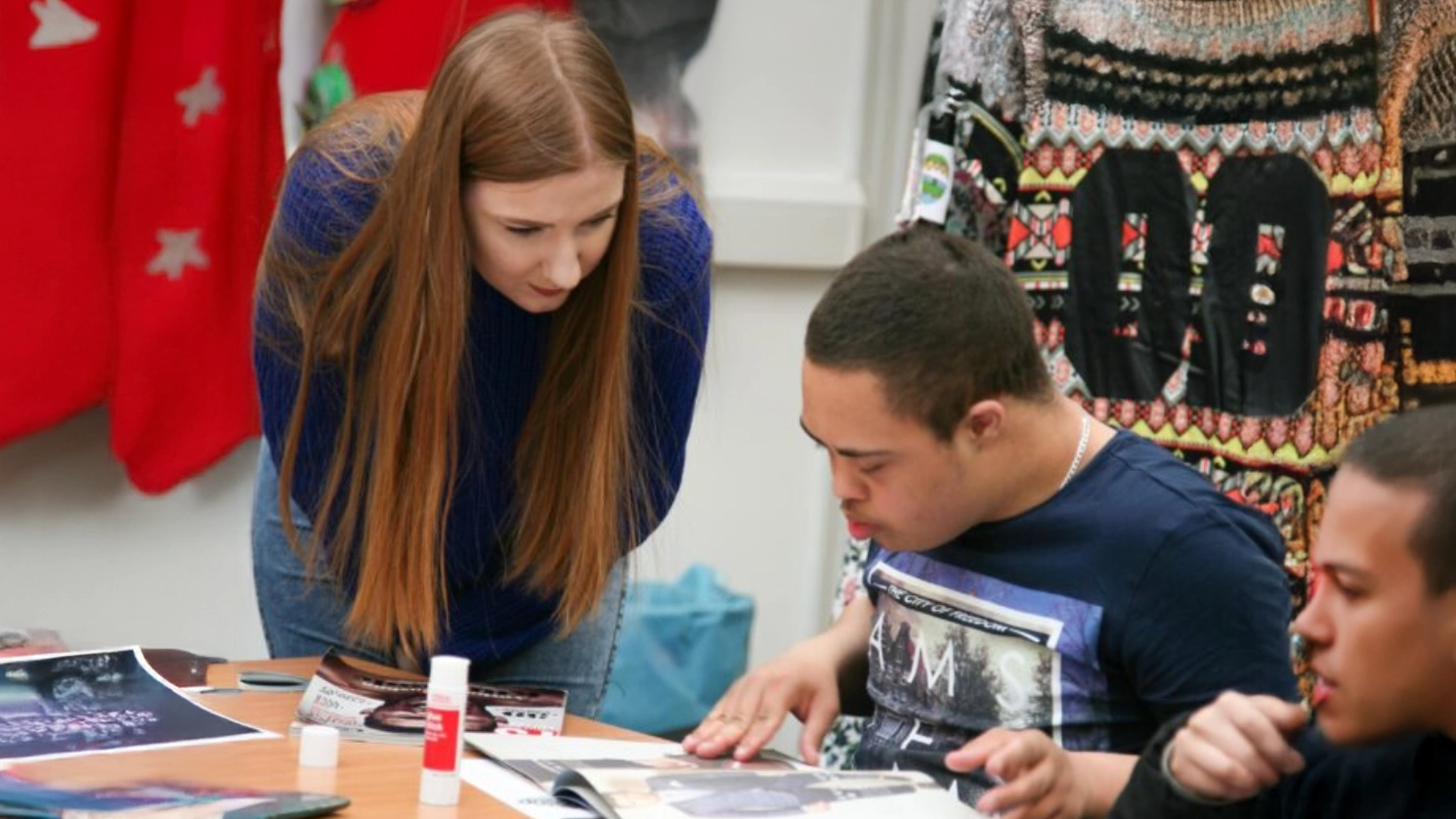
How much it affects someone varies enormously. Some people need support with almost every part of daily life. Many others live independently and want help with specific things only: filling in a form, managing money, understanding a tenancy agreement, finding work that fits.
A learning disability is not a learning difficulty. Dyslexia, dyscalculia and ADHD are learning difficulties: they change how someone processes particular kinds of information, but they do not affect general intellect. Autism is different again, though some autistic people also have a learning disability.
The range
No two people need the same thing
Mild
Most people with a mild learning disability manage daily life independently. Support tends to be specific rather than constant: paperwork, appointments, money, or finding and keeping a job.
Moderate
More consistent support, often with communication, personal care, or getting around, though rarely in every area at once.
Severe
Substantial daily support across communication, personal care and mobility.
Profound and multiple (PMLD)
Full-time support with every aspect of life, usually alongside physical disabilities, sensory impairments and complex health needs.
These labels are a rough guide, not a description of anyone. What matters in practice is what a particular person can do, what they want to do, and what support gets them there. That is the question our services start from.
Why this matters
The gap is not caused by learning disability
19
years younger, on average, that adults with a learning disability die
39%
of those deaths rated avoidable, against 21% for the general population
6%
of adults known to their local authority are in paid work
Our work
Those gaps are about access, not ability
Access to healthcare that listens. To work that fits. To housing, to friendships, to an ordinary social life. None of that follows automatically from having a learning disability. It follows from whether the support around someone is any good.
That is the whole of Rathbone's adult work: supported living, outreach, employment and skills, and places to go where people are known by name. Our adult services are built around it, and our work with young people starts earlier, before the gaps have opened.
Sources. UK prevalence: Mencap, using Public Health England (2016) prevalence rates and ONS (2024) population data. Age at death and avoidable deaths: LeDeR 2024, published 2026. Adults in paid work: Department of Health and Social Care, Adult social care activity report 2024–25. Last reviewed September 2026.
Support our work
Help us close the gap
Every donation, every hour volunteered, every partnership goes into support that helps people with a learning disability live the life they actually want.